Home >> Homeschooling >> Shop
Little Learners, Big Foundations: Creating a Structured Learning Environment for your Child as well as a Thoughtful and Joyful Homeschool Pre-K Program
Beginning a homeschool Pre-K program can feel exciting and intimidating all at once. The good news is that preschool learning does not require elaborate lesson plans or expensive materials. At this age, children learn best through play, repetition, movement, and meaningful interaction. Your goal is not perfection — it is creating a safe, structured, and joyful environment where learning happens naturally. However, creating a structured yet flexible learning environment for your child is necessary for success in a homeschooling program.
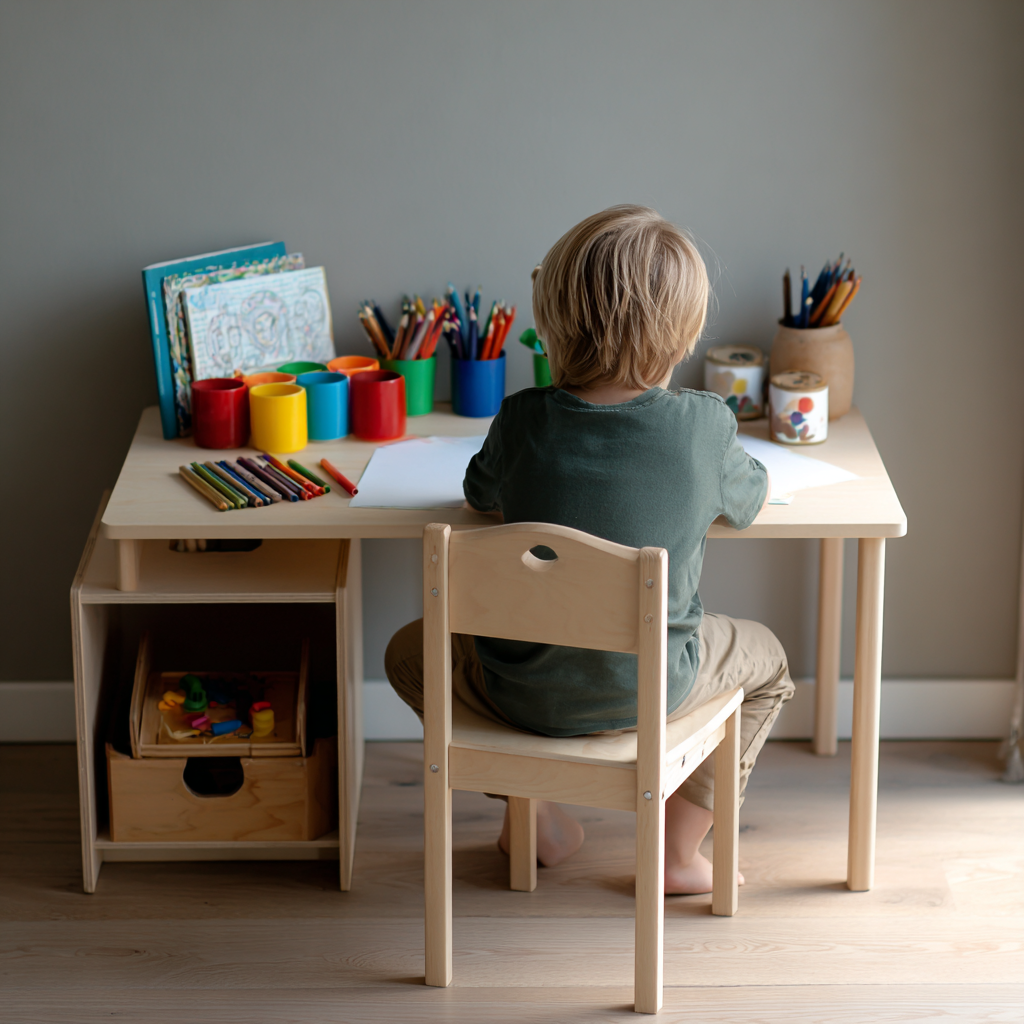
Start by setting up a dedicated learning space. It doesn’t need to be an entire room. A small table, child-sized chair, reachable shelves, labeled bins, and a cozy reading corner are enough. When children have a consistent area that feels like “their school space,” it signals that learning is important. Even though your structure can remain flexible, establish a consistent school time each day — often mornings work best. A predictable routine with clear starting times, snack breaks, lunch, and cleanup helps children feel secure and understand that this is their special learning time. By creating a structured learning environment for your child or children, gives them the confidence that things are important.
Before you begin, research what preschoolers typically learn so you have clear but gentle goals. Many Pre-K children work toward counting to 20, recognizing numbers 1–10 (or higher), and understanding one-to-one correspondence — meaning they can move or touch one object as they count each number. You can practice this with blocks, snacks, toy animals, or buttons. Introduce simple math concepts like “one more” and “one less” by physically adding or removing objects. Early literacy goals often include recognizing letters, identifying some letter sounds, and being able to write their name, even if it begins with tracing and progresses to independent writing. These benchmarks guide you without pressuring your child and will assist in creating a structured learning environment for your child that will enable him or her to thrive in this homeschooling environment.
Make learning hands-on and interactive. Create a building station with blocks, magnetic tiles, puzzles, or simple craft materials. These strengthen fine motor skills and problem-solving abilities. Include life-skills activities that build independence — pouring water, sorting laundry by color, cleaning up toys, or setting the table. If you are teaching more than one child, incorporate opportunities for sharing, taking turns, and cooperative play. Social development is just as important as academics.
Focus on one concept at a time. For example, create a “Number of the Week” board. If the focus number is 5, display five apples, five claps, five stuffed animals, and practice tracing the number 5. Count five steps, jump five times, and draw five circles. Repeat this spotlight method for colors, animals, or shapes. When studying the color blue, gather blue toys, paint with blue, and go on a “blue hunt” around the house.
Include music and movement daily. Sing counting songs, dance to the alphabet, or use simple rhythm instruments. Young children learn through their senses, and adding sound, motion, and touch makes lessons memorable.
Most importantly, protect a daily reading period. Children who develop a love for books early often become confident learners later. Read aloud expressively, ask simple questions, and allow your child to retell the story in their own words. It all comes back to ensuring that this structured learning environment is established for your homeschool program. Of course, there should be flexibility, but still ensure that your child or children realize that there is structure in the program.
Finally, stay calm and adaptable. Some days will not go as planned — and that’s okay. Children learn at different paces and in different ways. Observe what excites your child and build lessons around those interests. Add field trips to parks, libraries, grocery stores, farms, or museums to connect learning with real life.
When you combine structure with flexibility, guidance with play, and patience with joy, the homeschool Pre-K program you have created becomes more than lessons — it becomes a strong, loving foundation for lifelong learning. In the end it is all about creating a structured learning environment for your child that will ensure their success as they move forward to other grades.
—