Home >> Homeschooling >> Shop
School on the Go: How Homeschooling Makes Travel Educational
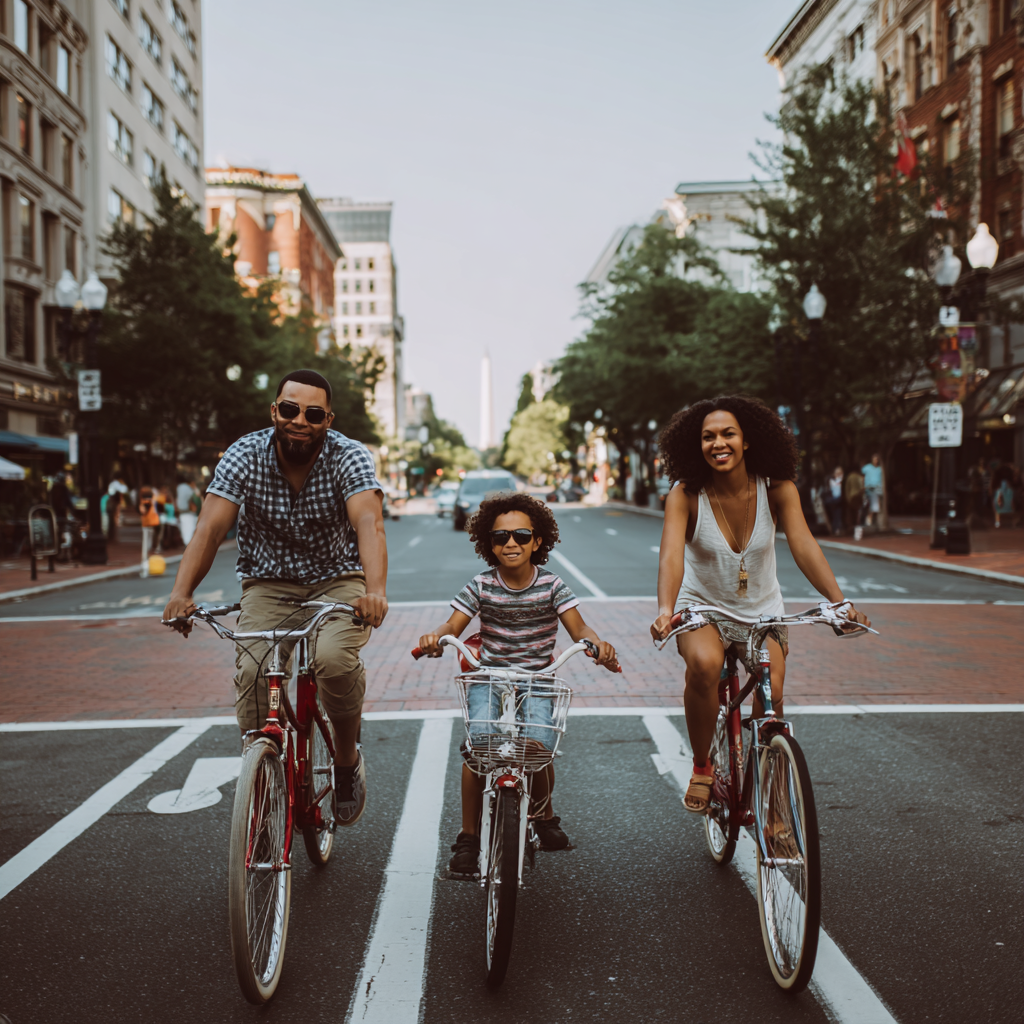
One clear advantage of homeschooling is the ability to be mobile. In many traditional schools, students spend most of their day inside one classroom. They move from subject to subject, but they often stay in the same building. While field trips do happen, they are not frequent. Because of this, learning usually takes place within four walls.
In a homeschool setting, learning does not have to stay in one place. Parents have the freedom to take lessons on the road. They can visit museums, historical landmarks, science centers, parks, and even different states while continuing their child’s education. Instead of stopping school during travel, families can bring the curriculum with them and connect it directly to what they are seeing.
For example, imagine a family studying American history. While learning about the Civil War, they decide to visit a historic battlefield. As their child walks through the site, the parent explains the events that took place there. The student reads informational signs, asks questions, and writes notes in a journal. Later that evening, the child completes a writing assignment about what was learned during the visit. In this case, the lesson becomes more real and meaningful because the student is standing where history actually happened.
Consider another example of a student learning about marine biology. Instead of only reading about ocean animals in a textbook, the family travels to an aquarium. The student observes sharks, sea turtles, and coral reefs up close. The parent connects the lesson to their science curriculum by discussing ecosystems, food chains, and animal adaptations. Afterward, the student completes a science project about one of the animals they observed. The trip strengthens understanding because the child experienced the learning firsthand.
Traveling can also support lessons in geography. If a family takes a road trip across several states, the child can track the route on a map. The student can calculate distance in math, study landforms in science, and learn about state history in social studies. Even simple activities, such as reading road signs or comparing time zones, become educational opportunities. Learning becomes part of daily life instead of something limited to a desk.
This flexibility allows parents to align the curriculum with the trip. If the family is visiting Washington, D.C., lessons can focus on government and civic responsibility. If they are traveling to a national park, science lessons can center on ecosystems and conservation. The curriculum does not pause; it adapts to the environment. This helps students see how classroom learning connects to the real world.
Being mobile also helps students who learn best through movement and hands-on experiences. Some children struggle to sit still for long periods of time. In a homeschool setting, lessons can happen outdoors, in libraries, at community events, or during travel. For instance, a student studying art history might visit a local art museum and sketch paintings in a notebook. A student learning about economics might talk with local business owners while visiting a new city. These experiences make learning active instead of passive.
Of course, mobility requires planning. Parents must prepare lessons in advance and make sure learning goals are still being met. They must also ensure that travel experiences connect clearly to academic standards. When done thoughtfully, traveling becomes more than just a vacation. It becomes an extension of the classroom.
In the end, one major advantage of homeschooling is the freedom to learn anywhere. Students are not limited to a single classroom. They can explore museums, historical sites, parks, and cities while continuing their education. By bringing the curriculum along and connecting lessons to real-life experiences, parents can create powerful learning opportunities. This flexibility allows education to move beyond walls and into the world itself.
—